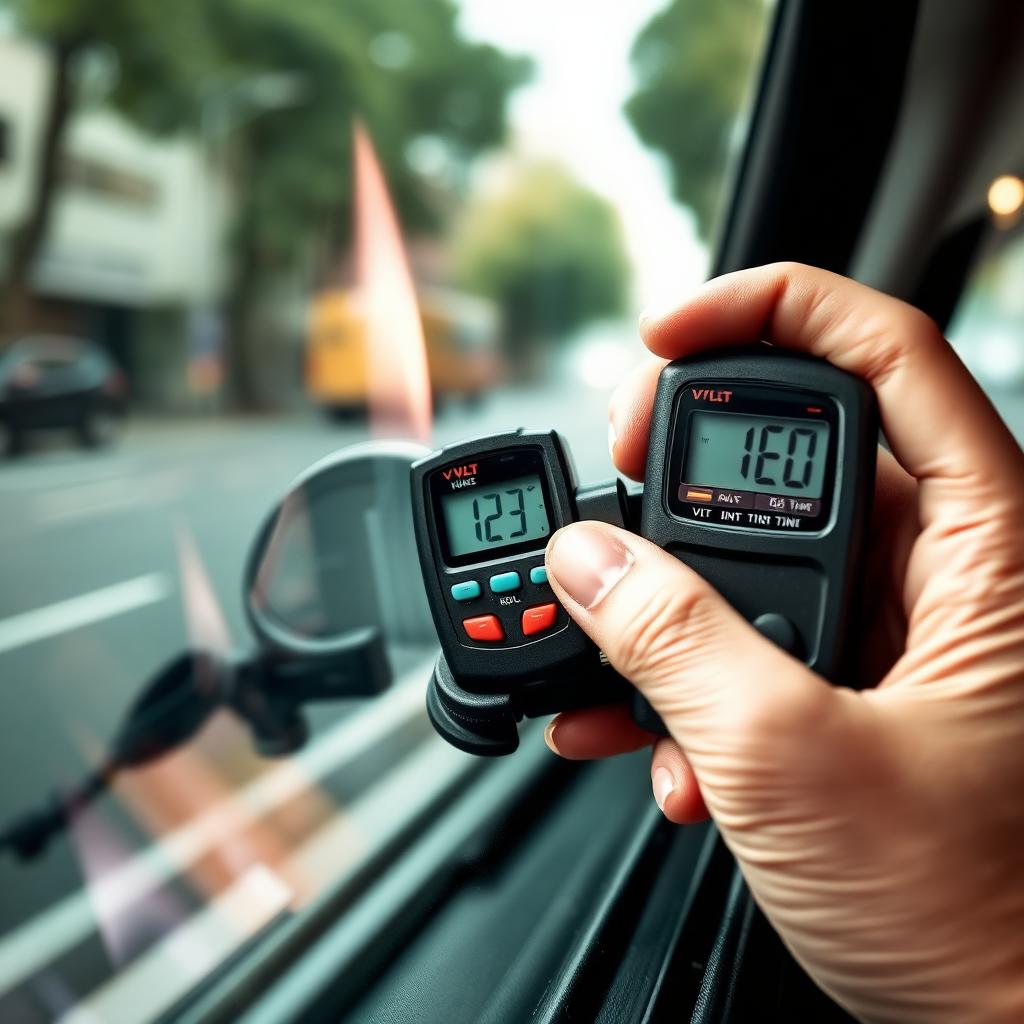
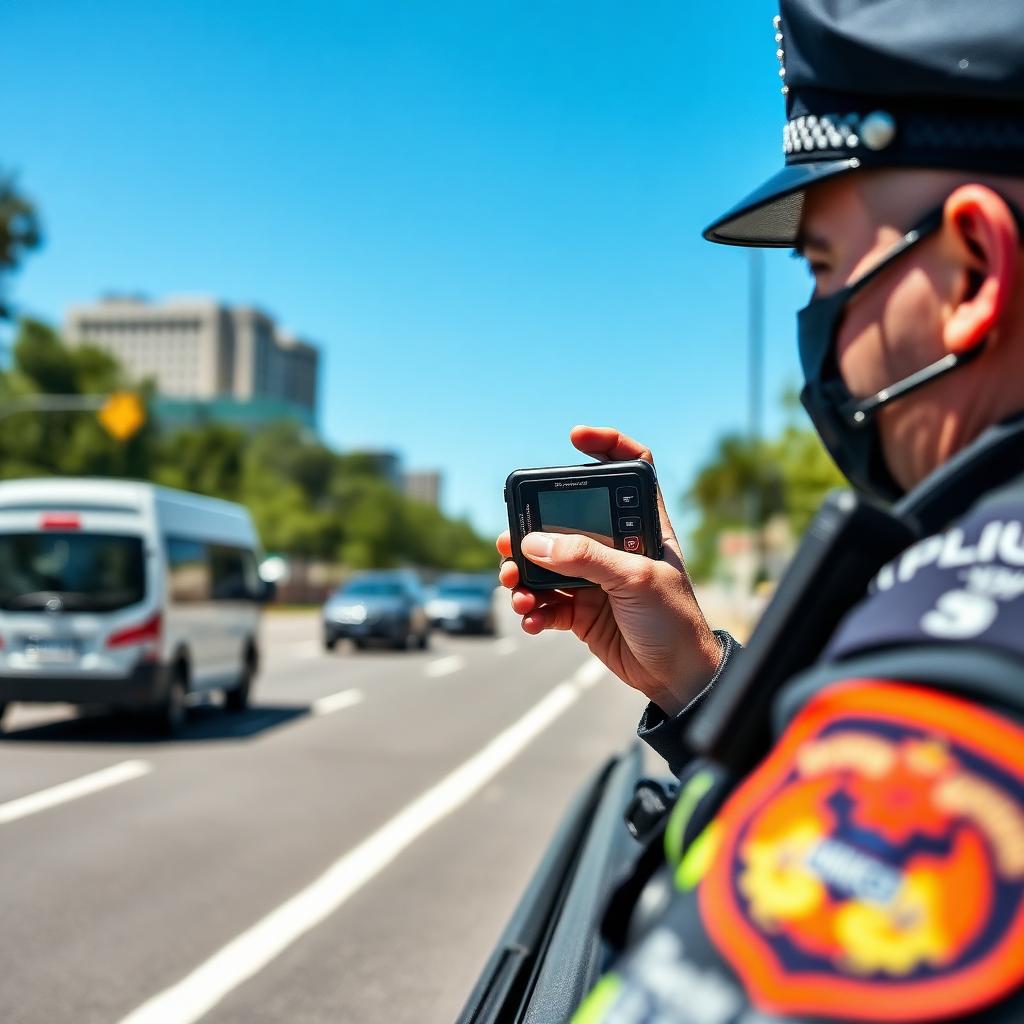
Window tint is one of the best upgrades you can make to a car in Melbourne. It's also one of the easiest ways to land a defect notice if it's done wrong. Victoria's rules are among the strictest in the country, and Victoria Police carry handheld light meters that read your tint in seconds at the roadside. Here's exactly what the law allows, so you can get the look you want without the headache.
How tint is measured: VLT
Tint darkness is measured as Visible Light Transmission (VLT) — the percentage of light that passes through the glass and film combined. A 35% VLT lets 35% of light through and blocks 65%. The lower the number, the darker the tint.
The catch most people miss: the law measures the combined VLT of your factory glass and the film, not the film alone. Many modern cars already leave the factory with lightly tinted glass, so a "35% film" on top can push the final result below the legal limit. A proper installer measures your existing glass first.
The legal limits in Victoria
According to Transport Victoria, for a standard passenger vehicle:
- Windscreen: Minimum 70% VLT. No film is permitted on the main windscreen. The only exception is a tinted band across the very top — above the wiper's swept area, or the top 10% of the windscreen, whichever is greater — and it must not cover any cameras or sensors mounted inside.
- Front side windows (driver and front passenger): Minimum 35% VLT. Non-negotiable for passenger cars.
- Rear side windows and rear windscreen: Minimum 20% VLT, but only if the vehicle has a rear-view mirror fitted on each side (almost every modern car does). This is the darkest legal option for the back of a standard car.
- Reflectance: No window film may exceed 10% reflectance — roughly the same as untreated glass. Mirror-look and highly reflective films are out, regardless of how light they are.
SUVs are classed as passenger vehicles, so they follow the same rules. Utes, vans and goods vehicles get more freedom behind the driver's seat.
The "limo tint" trap
Five-percent "limo" tint on front windows is illegal in Victoria, full stop. If you want that deep, blacked-out look, the legal way to get most of it is 20% on the rear and 35% on the front, ideally in a quality ceramic film so you get the heat rejection without going darker than the law allows.
Factory privacy glass
If your car already has dark factory "privacy glass" that sits below the legal VLT, you cannot add any film to it — not even clear film. If the factory glass is above the limit, any film you add still has to keep the combined result legal.
What happens if your tint is illegal
Get caught and you're looking at a fine, and often a defect notice. A defect notice means the non-compliant film has to be professionally removed and the car re-inspected before it's road-legal again — so you can end up paying for the tint twice. Illegal tint can also fail a roadworthy inspection (a problem when you sell), and insurers may treat it as an unapproved modification that affects a claim. The fine is the small part; the removal and re-tint is the expensive part.
The simple way to stay legal
Use an installer who measures your factory glass, fits film to legal VLT, and tells you what each window will read. At Tint Now, every job is fitted to Victorian legal standards and we measure before we quote. Want the dark look done properly? Compare ceramic and carbon film, or book a mobile install and we'll come to you.
Common questions
What is the darkest legal tint in Victoria?
35% VLT on the front side windows and 20% VLT on the rear windows and rear windscreen (with side mirrors fitted on both sides). The windscreen can only have a tinted band across the top.
Is limo tint (5%) legal in Victoria?
No. It's illegal on front windows and will attract a defect notice. The legal maximum darkness on a standard car is 20% on the rear.
Can I tint my windscreen?
Only a band across the top, above the wiper area or the top 10% (whichever is greater), and it can't block cameras or sensors. The main windscreen must stay at 70% VLT or clearer.
Will illegal tint fail a roadworthy?
Yes. Tint that's too dark — or that's bubbling, peeling or damaged — can fail a roadworthy inspection and needs to be removed before the certificate is issued.
Book your mobile tint with Tint Now.
Real price upfront. Legal film, fitted at your home or office. Mobile across all Melbourne.