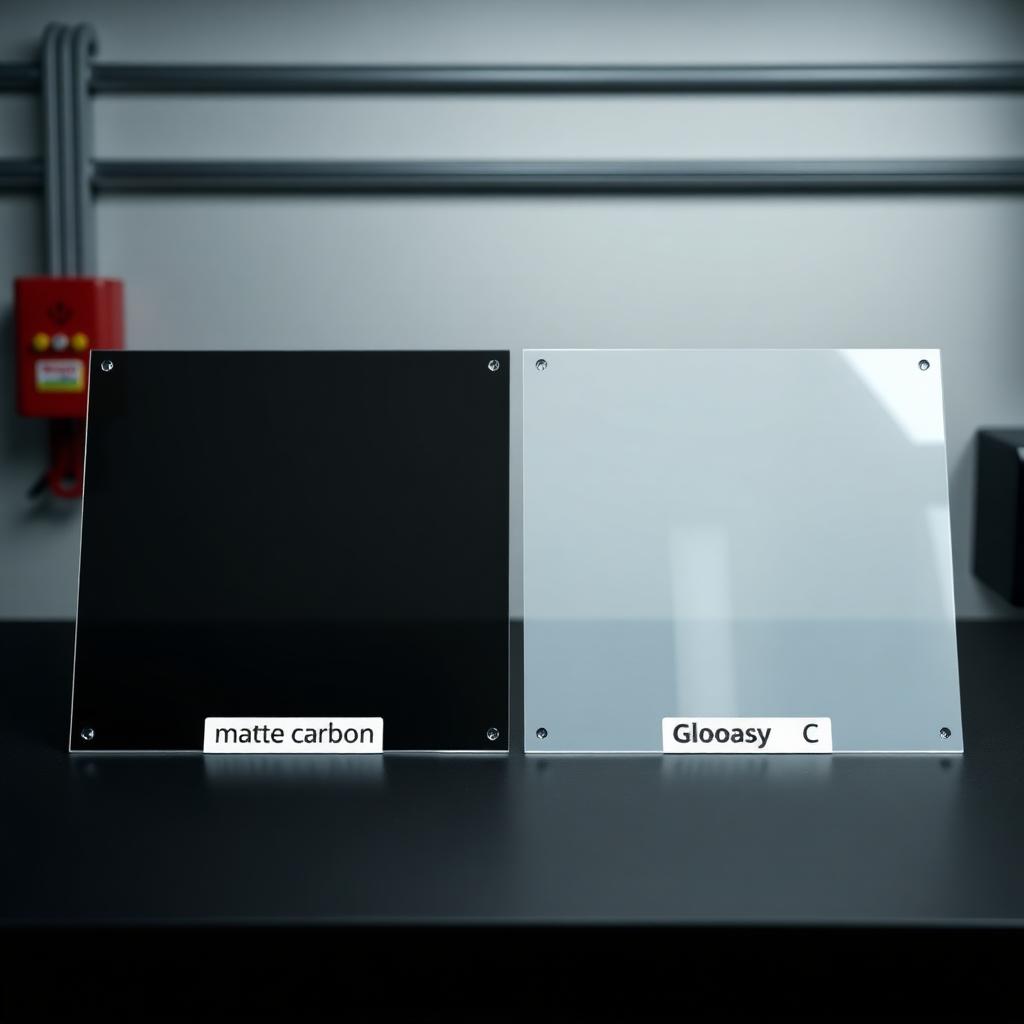
If you're tinting your car in Melbourne, the choice usually comes down to two films: carbon and ceramic. Both look great, both are a big step up from cheap dyed tint, and both can be fitted to legal VLT. The difference is in how hard they work — especially when it comes to heat. Here's the honest breakdown.
First, what to avoid: cheap dyed film
The bottom of the market is dyed film. It's the cheapest option and it looks fine on day one, but lower-grade dyed films can fade to purple, bubble and oxidise over a year or two. As they degrade they can actually get darker and tip a borderline-legal job into illegal territory. For a few dollars more, carbon is a far better starting point.
Carbon tint
Carbon film uses carbon particles instead of dye. The upshot:
- Won't fade or go purple the way dyed film does.
- A clean, flat, matte-black finish that looks premium.
- Solid heat and UV reduction — noticeably better than dyed film.
- Great value for money.
Carbon is the sweet spot for most daily drivers who want a sharp look and real comfort without paying top dollar. At Tint Now, carbon film runs from $350 to $799 depending on the vehicle.
Ceramic tint
Ceramic film uses nano-ceramic particles, and it's the premium pick. What you're paying for:
- The best heat rejection. Quality ceramic films reject a large share of the sun's infrared heat — the part you actually feel — even at lighter, fully legal shades. That matters more than darkness.
- No signal interference. Ceramic doesn't contain metal, so it won't interfere with your phone, GPS or keyless entry.
- Maximum clarity and longevity. It stays optically clear, won't fade, and holds its rating for years.
- Better UV and glare control.
The key insight for Melbourne summers: heat rejection comes from the quality of the film, not how dark it is. A good ceramic film at a legal 35% front can keep a cabin cooler than a cheap, illegally dark film. You don't need to break the law to beat the heat. At Tint Now, ceramic film runs from $450 to $999 and is our pick for new cars, prestige vehicles and anyone who parks in the sun.
Which should you choose?
| Carbon | Ceramic | |
|---|---|---|
| Heat rejection | Good | Best (high infrared rejection) |
| Look | Flat matte black | Flat matte black, max clarity |
| Fading | Won't fade | Won't fade |
| Signal interference | None | None |
| Best for | Daily drivers, value | New/prestige cars, hot-parkers |
| Tint Now price | From $350–$799 | From $450–$999 |
Choose carbon if you want a sharp, long-lasting tint at a great price. Choose ceramic if you want the coolest possible cabin, you've got a newer or prestige car, or you regularly park in full sun.
Still not sure? Book a mobile quote — tell us your car and how you use it, and we'll recommend the right film. We come to your home or office anywhere in metro Melbourne.
Common questions
Is ceramic tint worth the extra money?
If you park in the sun, drive a newer or prestige car, or want the coolest cabin possible, yes. Ceramic rejects far more infrared heat than carbon or dyed film at the same legal shade.
Does darker tint block more heat?
Not necessarily. Heat rejection depends on the film's infrared performance, not its darkness. A quality ceramic at a legal shade can out-perform a cheap, illegally dark film.
Will ceramic tint affect my phone or GPS?
No. Ceramic is non-metallic, so it won't interfere with signals.
Book your mobile tint with Tint Now.
Real price upfront. Legal film, fitted at your home or office. Mobile across all Melbourne.